Share this guide
Help more farmers discover useful tools
Save Time
Instant access
More Benefits
Apply for schemes
Better Decisions
Real-time data
Transparent & Safe
Official platforms
Natural & Biological Pest Control: Science-Backed Integrated Pest Management
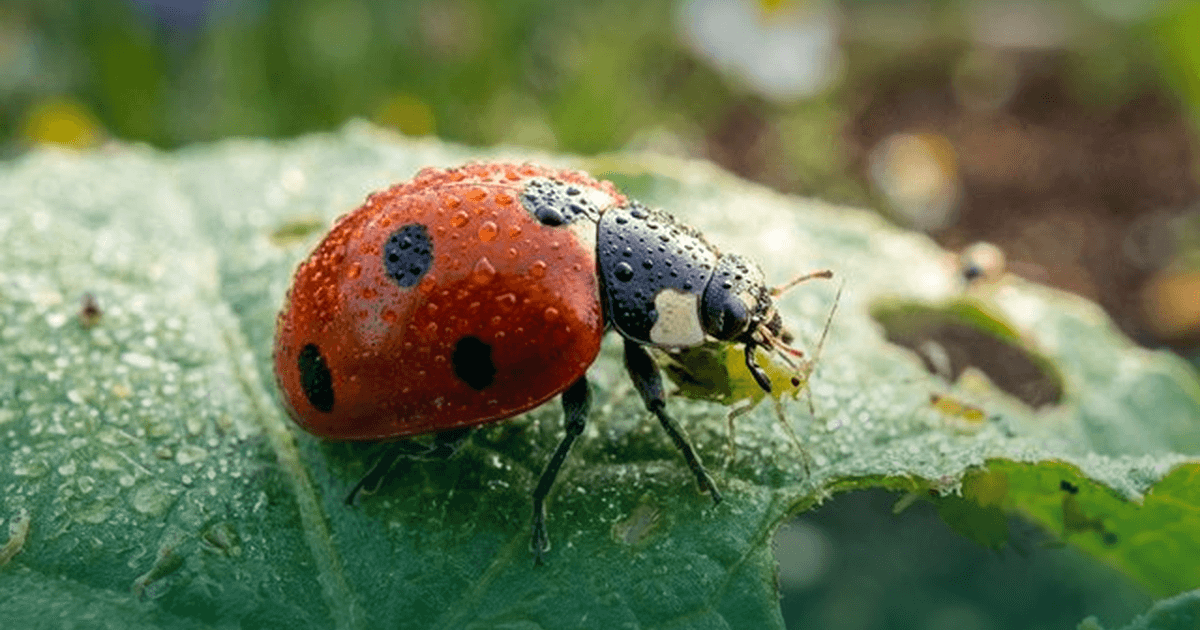
The relentless escalation of synthetic chemical pesticides has created a catastrophic ecological spiral: insect resurgence, elimination of beneficial predatory pollinators (honeybees, ladybird beetles, lacewings), groundwater contamination, and the development of severe chemical resistance in devastating pests like the Pink Bollworm (Pectinophora gossypiella) and Fall Armyworm (Spodoptera frugiperda). Integrated Pest Management (IPM) relies on biological antagonisms, indigenous botanical extracts, and mechanical pheromone disruptions to suppress pest populations below the Economic Injury Level (EIL) without scorching crop foliage or poisoning the food chain.
1. Indigenous Botanical Formulations (Preparation & Application)
1. Neem Seed Kernel Extract (NSKE 5%): The Gold Standard * Active Ingredient: Azadirachtin (natural anti-feedant, oviposition deterrent, and insect growth regulator). * Preparation for 1 Acre (100 Liters Water):
- Pound 5 kg of well-dried, mature neem seed kernels into a coarse powder (do not make fine flour).
- Tie the crushed powder in a porous muslin cloth bag and immerse in 10 liters of water overnight (12 to 14 hours).
- Squeeze the bundle repeatedly in the morning until the liquid turns into a deep milky-white emulsion.
- Dilute to 100 liters of water. Add 100g of soap nut (Reetha) powder or mild liquid detergent as an emulsifier and surfactant.
- Target Pests: First- and second-instar caterpillars, leafminers, whiteflies, and aphids.
2. Agniastra (Potent Caterpillar & Borer Formula) * Ingredients: 10 liters indigenous cow urine, 2 kg crushed neem leaves, 500g crushed hot green chilies, 500g crushed garlic paste, 250g crushed tobacco leaves. * Brewing Protocol: Boil the mixture slowly in a clay or steel pot for 20 minutes until half evaporates. Cool for 24 hours, filter through muslin cloth. * Dosage: 2.5 to 3.0 liters per 100 liters of water. Acts as a potent bio-neurotoxin against stubborn stem borers and bollworms.
2. Mechanical Disruption: Pheromone & Sticky Traps
Mechanical traps monitor pest entry days before visible damage manifests and physically eliminate breeding adults: | Trap Type | Color / Mechanism | Target Pests | Deployment Density | |---|---|---|---| | Delta Pheromone Traps | Female sex pheromone rubber septa lure | Pink Bollworm (Gossyplure), Fall Armyworm, Tomato Leafminer (Tuta absoluta) | 5 traps/acre (Surveillance); 15–20 traps/acre (Mass Trapping) | | Yellow Sticky Cards | Bright yellow (wavelength 580 nm) with waterproof non-drying glue | Whiteflies, Aphids, Leafminers, Flea Beetles | 15 – 20 cards per acre placed 1 foot above crop canopy | | Blue Sticky Cards | Electric blue (wavelength 470 nm) | Thrips (Thrips tabaci, Scirtothrips dorsalis) | 15 – 20 cards per acre | | Solar Light Traps | UV/LED light (365 nm) above water/oil collection tray | Nocturnal adult moths, White grubs, Root borer beetles | 1 solar light trap per 2 acres (active from 7 PM to 10 PM) |
3. Biological Control Agents (Bio-Insecticides & Parasitoids)
- Trichogramma Egg Parasitoids (Trichocards): Microscopic parasitic wasps (Trichogramma chilonis). Staple cards (containing 50,000 parasitized eggs/acre) to leaf undersides at 10-day intervals. The emerging adult wasps seek out pest moth eggs (Bollworm, Chilo borer), deposit their own eggs inside, and destroy the pest before a caterpillar can hatch. * Entomopathogenic Fungi (Beauveria bassiana & Metarhizium anisopliae): Fungal spores (apply @ 5g/liter water or 1 kg/acre with 100 kg FYM) adhere to the insect cuticle, germinate, penetrate the exoskeleton, and proliferate internally, killing sucking pests and subterranean termites within 48 to 72 hours. * Bacillus thuringiensis (Bt kurstaki): Biological bacterial powder (1g/liter) that paralyzes the alkaline gut of feeding caterpillars with crystal endotoxins while remaining 100% harmless to humans, cattle, and bees.
4. Economic Threshold Level (ETL) Spray Decision Matrix
Never spray pesticides preemptively on calendar schedules. Spray bio-formulations only when populations cross economic action thresholds: | Crop | Key Pest | Economic Threshold Level (Action Trigger) | |---|---|---| | Cotton | Pink Bollworm | 8 adult moths caught per trap for 3 consecutive nights OR 10% damaged green bolls | | Soybean | Spodoptera / Semilooper | 3 to 4 caterpillars per meter of crop row | | Paddy | Yellow Stem Borer | 1 egg mass per square meter OR 5% dead hearts at tillering | | Vegetables | Sucking Thrips / Mites | 5 to 8 thrips per terminal young leaf |
Frequently Asked Questions (FAQ)
Q1: Can I spray chemical insecticides and Beauveria bassiana together in the same tank? Never. Chemical fungicides or synthetic insecticides will kill the living fungal spores of Beauveria bassiana, rendering the bio-pesticide completely useless. Maintain a minimum gap of 7 to 10 days between biological bio-agents and chemical sprays.
Q2: How often should pheromone lures be replaced in the field? Most standard rubber septa or wax capillary pheromone lures remain active for 25 to 30 days in hot weather. Replace the lure once every month during the active crop season to maintain high male catch rates.
Free AI Diagnosis
Suspect Crop Disease in Your Field?
Upload a leaf photo to our AI Plant Clinic for instant disease identification and ICAR-approved remedies.
K
Written by KhetiSetu Biological Control Panel
Empowering Indian farmers with scientific agronomy, ICAR guidelines, and transparent digital tools.