Share this guide
Help more farmers discover useful tools
Save Time
Instant access
More Benefits
Apply for schemes
Better Decisions
Real-time data
Transparent & Safe
Official platforms
DIY Organic Fertilizers: Scientific Guide to Formulating Indigenous Bio-Inputs
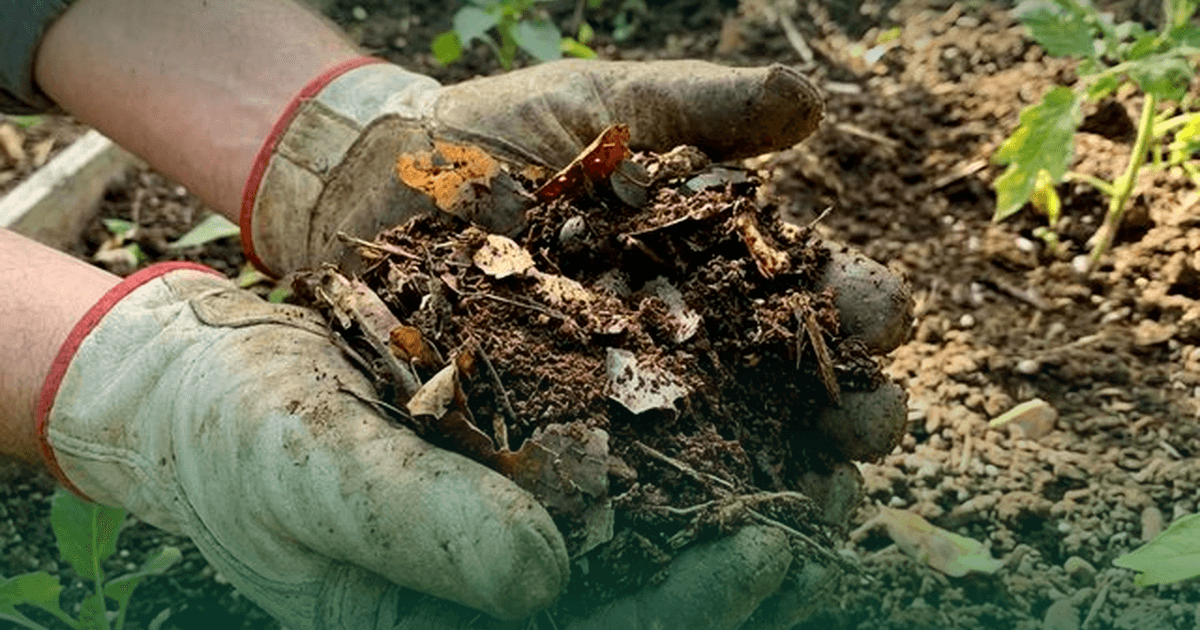
Rising chemical fertilizer costs, combined with the gradual depletion of soil organic carbon across intensive cropping belts, have prompted forward-thinking Indian farmers to embrace on-farm biological inputs. Formulated using indigenous cow dung, cow urine, botanical residues, and beneficial microbes, these DIY bio-fertilizers rejuvenate soil biology at a fraction of commercial costs. This guide provides precise scientific recipes, fermentation protocols, application dosages, and economic comparisons for the most effective homemade organic inputs.
1. Master Formulation: Jeevamrutha (Liquid Microbial Bio-Stimulant)
Jeevamrutha is not merely a fertilizer; it is a microbial culture medium containing trillions of beneficial bacteria (Bacillus, Pseudomonas, Azotobacter) and mycorrhizal fungi that solubilize locked-up phosphorus, potassium, and micronutrients in the soil profile.
Required Ingredients for 1 Acre (200 Liters Water): * Fresh Indigenous (Desi) Cow Dung: 10 kg * Indigenous Cow Urine (Gomutra): 5 to 10 liters (aged urine contains higher nitrogen content) * Organic Jaggery (Gud) / Crushed Sugarcane Juice: 2 kg (carbon energy source for microbial multiplication) * Pulse Flour (Besan / Gram / Pigeonpea flour): 2 kg (protein source for microbial colonies) * Virgin Soil from Farm Bund or Banyan Tree Base: 1 handful (approx. 200g, rich in native mycorrhizal spores) * Clean Chlorine-Free Water: 200 liters in a plastic drum
Preparation Protocol: 1. Place 200 liters of water in a 220-liter plastic drum kept under dense tree shade (never under direct sunlight). 2. Add 10 kg cow dung and 10 liters cow urine; stir vigorously with a wooden stick. 3. In a separate bucket, dissolve 2 kg jaggery and 2 kg besan in 10 liters water to prevent lumps, then pour into the drum. 4. Add the handful of virgin soil. 5. Stir the mixture clockwise with a wooden staff for 5 minutes twice daily (morning and evening). 6. Cover the drum opening with a breathable wet gunny bag to prevent houseflies while permitting aerobic fermentation. 7. Fermentation completes in 48 to 72 hours during warm summer months (4 to 6 days during cold winter).
Application Dosage & Frequency: * Flood / Canal Irrigation: Pour 200 liters/acre near the irrigation inlet so water distributes it uniformly across the plot. * Drip Irrigation: Filter through a fine 100-mesh nylon cloth twice before injecting through a Venturi injector to avoid emitter clogging. * Frequency: Apply every 21 days during the vegetative and flowering stages.
2. Beejamrutha: Biological Seed Treatment Inoculant
Beejamrutha coats seeds with beneficial microbial antagonism, protecting germinating seedlings against seed-borne and soil-borne fungal pathogens such as Fusarium, Rhizoctonia, and damping-off blights. | Ingredient | Quantity for 100 kg Seed | Role | |---|---|---| | Desi Cow Dung | 5 kg | Inoculates beneficial bacteria & actinomycetes | | Desi Cow Urine | 5 liters | Natural antifungal & antibacterial properties | | Lime (Chuna / Calcium Hydroxide) | 50 grams | Buffers pH and supplies bio-calcium | | Virgin Bund Soil | 1 handful (100g) | Introduces natural mycorrhizae | | Water | 20 liters | Carrier solvent |
Application Method: Mix ingredients in a container and allow to stand overnight (12 hours). Pour the slurry over certified seeds spread on a clean tarp. Rub gently so every seed receives a uniform thin coating. Shade dry for 2 hours before immediate field sowing.
3. Compost Tea: Nutrient-Rich Foliar Tonic
Compost tea is an aerated liquid extract made from well-rotted vermicompost that supplies instantaneous foliar micronutrients and builds a protective microbial biofilm on plant leaves against downy and powdery mildews.
- Recipe: Suspend 5 kg mature vermicompost inside a fine porous mesh cloth bag into 100 liters of water. Add 250g jaggery. Aerate using a simple aquarium bubbler pump for 24 hours. * Foliar Spray: Dilute 1:5 with clean water and spray during early morning or late afternoon hours on cash crops, vegetables, and fruit orchards.
4. Economic Analysis: Homemade Organic Inputs vs. Synthetic Fertilizers
| Input Category | Conventional Chemical Regimen (Per Acre) | DIY Biological Regimen (Per Acre) | |---|---|---| | Primary Nutrition | 2 bags DAP + 3 bags Urea + 1 bag MOP = ₹4,200 | 4 applications Jeevamrutha = ₹450 (jaggery + besan) | | Seed Treatment | Chemical Fungicide (Carbendazim/Thiram) = ₹350 | Beejamrutha (Farm-made) = ₹40 | | Micronutrient Sprays | Chelated commercial sprays = ₹1,800 | Aerated Compost Tea + Buttermilk Spray = ₹200 | | Total Expenditure | ₹6,350 / acre | ₹690 / acre (Savings: ₹5,660/acre) |
Frequently Asked Questions (FAQ)
Q1: Can I use Jersey or HF crossbred cow dung for Jeevamrutha? Indigenous zebu cattle (Desi cows like Gir, Sahiwal, Khillari) possess significantly higher microbial diversity and probiotic density in their rumen compared to exotic European breeds. However, if desi cow dung is unavailable, fresh crossbred dung can be utilized, provided you add 20% more virgin forest soil.
Q2: What is the shelf life of prepared Jeevamrutha? Jeevamrutha is living microbial culture. It peaks in microbial activity between Day 3 and Day 7 after preparation. It should ideally be applied within 7 to 10 days. Beyond 12 days, anaerobic bacterial degradation begins to reduce its efficacy.
Calculate Exact Fertilizer & Input Costs
Use our free agronomy calculators to estimate acreage seed rates, N-P-K dosages, and season profit projections.
Written by KhetiSetu Agronomy Research Team
Empowering Indian farmers with scientific agronomy, ICAR guidelines, and transparent digital tools.